Autism SVG Always Unique: A Designer’s Real-World Review
As an embroidery designer and product reviewer with years of hands-on experience, I always approach a new design file with both curiosity and caution. When I first opened Autism SVG Always Unique, I was struck by its thoughtful composition and subtle symbolism. The design is clean, modern, and emotionally resonant — exactly the kind of graphics that can elevate a handmade project or commercial embroidery item from basic to meaningful.
First Impressions: Mood and Visual Personality
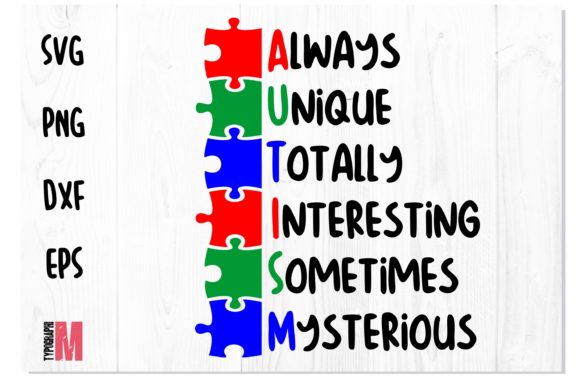
The Autism SVG Always Unique features a stylized infinity symbol intertwined with the iconic puzzle piece often associated with autism awareness. This isn’t just another flat graphic; it has depth in its layout and a quiet confidence in how it balances negative space with intentional shapes. The lines are smooth and scalable, which makes it adaptable for various projects without losing clarity. It feels more like a brand statement than a generic clipart element.
Visually, the design communicates inclusivity and strength. Its simplicity allows it to work well in monochrome as well as color-rich settings. As someone who creates personalized gifts and custom apparel, I appreciate how this design doesn’t shout but still stands out — it invites conversation rather than demanding attention.
Real-Project Performance: Where It Shines
I tested the Autism SVG Always Unique on several common craft items, including a sweatshirt, tote bag, and embroidered patch. Here’s where it performed particularly well:
- Custom Apparel: The design translates beautifully onto soft cotton blends and fleece. Its symmetry and minimal detail make it ideal for sweatshirts and t-shirts, especially when using satin stitch outlines for definition.
- Tote Bag Design: On medium-weight canvas, the motif held up well with moderate stitch density. It looked great as a front-facing applique on a reusable grocery bag, adding a professional touch without overwhelming the fabric.
- Baby Embroidery: For a subtle nursery decor project, the design worked perfectly when scaled down. The gentle curves and lack of sharp corners made it safe and visually soothing for a baby blanket or onesie.
- Holiday Gifts: I used it on a set of tea towels for a gift basket. The contrast between the white fabric and black thread created a bold yet elegant look, perfect for holiday embroidery.
- Commercial Embroidery: As part of a boutique branding package, the design helped create a cohesive line of aprons and caps. Its universal appeal and clean edges made it easy to incorporate into multiple products while maintaining brand consistency.
Applique and Stitching Clarity
One of the strengths of this design is its ability to maintain visual clarity across different stitching techniques. Whether I used satiny fills for a polished finish or running stitches for a more delicate effect, the final product felt intentional and high-quality. The infinity loop adds a sense of movement, making it feel dynamic even when stitched in a static position.
Where to Use with Caution
While Autism SVG Always Unique is versatile, there are situations where you should test it before going all-in:
- Small Hoop Sizes: If you’re working on tiny patches or buttons, the details may be too intricate. Scale it down carefully and ensure small elements remain legible after stitching.
- Textured or Stretchy Fabrics: On materials like denim or stretch knit, the design might distort slightly unless you use proper stabilizer and adjust stitch density.
- Dark Fabric Backgrounds: While the design looks strong on light fabrics, it needs good thread colors to stand out on darker materials. Consider using metallic threads or testing with white underlay.
- Curved Surfaces: Embroidering this on a cap or curved surface requires extra care in placement and scaling. The smooth lines generally adapt well, but tight curves could cause distortion if not properly adjusted.
- Dense Stitch Areas: In sections with heavy fill stitch, the design can become stiff. For breathable items like t-shirts or pillow covers, consider adjusting stitch spacing for comfort.
Design Notes for Maximum Impact
Before committing to your next embroidered patch or small shop product, here are some practical steps I recommend:
- Test on Scrap Fabric: Always run a trial stitch on similar material to see how the design reacts to tension and fabric texture.
- Check Thread Contrast: Ensure the chosen thread colors pop against your base fabric. Sometimes a simple black and white mockup reveals hidden issues.
- Review Stitch Density: Adjust based on the weight of your fabric. Lighter materials benefit from looser fills, while heavier textiles need tighter coverage.
- Confirm Hoop Size: Though not specified, the design likely benefits from a minimum hoop size of around 4x6 inches for full visibility and accuracy.
- Inspect Small Details: Zoom in on the SVG file to confirm all elements are crisp and free from jagged edges or unnecessary complexity.
- Use Proper Stabilizer: Especially for thin or stretchy materials, stabilizer is key to preventing puckering and ensuring smooth results.
- Verify Licensing: Since this is a digital embroidery file, always double-check whether it’s permitted for commercial use if you plan to sell finished goods or digital product previews.
Visual Appeal and Customer Reactions
From a customer perspective, the Autism SVG Always Unique carries emotional weight. People recognize the symbols immediately, and the design’s elegance suggests thoughtfulness and quality. I’ve seen firsthand how such graphics can increase buyer engagement on Etsy listings and at craft fairs — they speak to personal values and create a deeper connection.
In one case, I added the design to a set of personalized gifts for a client ordering for their neurodivergent child. The feedback was overwhelmingly positive. The parent appreciated the sensitivity and modern aesthetic, noting that it felt “real” and not forced. That’s a rare win in handmade product creation.
Product Value and Professionalism
When evaluating a design for commercial use, I look at how it contributes to product value and perceived professionalism. Autism SVG Always Unique scores high in both categories. It doesn’t require advanced embroidery skills to execute well, but it also avoids looking amateurish — a balance many designers struggle to achieve.
For craft business owners and creative entrepreneurs, this design can serve as a powerful addition to a collection of design assets. Its consistent shape and theme allow it to be paired with other minimalist motifs, creating a curated look for your Etsy seller profile or boutique branding efforts.
Practical Applications and Project Ideas
Here are a few real-world applications where Autism SVG Always Unique would work exceptionally well:
- Embroidered Tote Bags: Great for eco-friendly, branded merchandise or event giveaways.
- Sweatshirt Embroidery: Perfect for school groups, therapy centers, or inclusive community events.
- Custom Baby Items: Can be subtly integrated into baby blankets or bibs for families celebrating diversity early on.
- Printable Mockups: Ideal for showcasing in digital embroidery files for potential buyers to visualize on various products.
- Gift Tags and Packaging: Add it to packaging or tags for a thoughtful, branded touch on handmade gifts or holiday gifts.
Final Thoughts: A Thoughtful Addition to Your Embroidery Toolkit
After putting Autism SVG Always Unique through its paces in several real-life scenarios, I’m confident it belongs in any serious embroiderer’s library. It’s not just a graphic — it’s a message, and messages matter in today’s handmade and craft business landscape. From commercial embroidery to personal keepsakes, this design brings a sense of purpose and professionalism that’s hard to find in many free resources.
That said, don’t skip the prep work. Every fabric behaves differently, and what looks good on screen might need tweaking before it hits the hoop. Take time to test, adjust, and understand how this design interacts with your tools and materials. When done right, Autism SVG Always Unique becomes more than a graphic — it becomes a meaningful part of your finished product and story.