Buffalo Plaid Christmas Tree SVG Review for Embroidery Projects
First Impressions and Design Personality
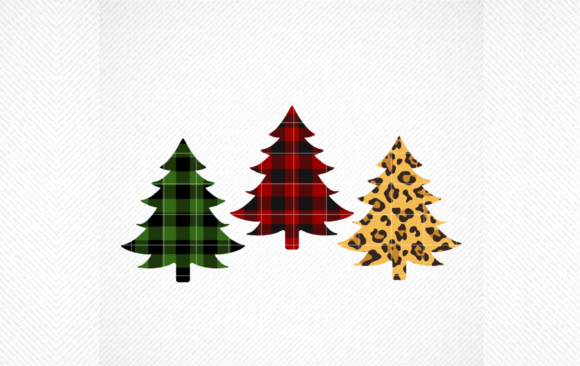
When I first opened the Christmas Tree SVG, Buffalo Plaid Xmas design, it immediately struck me as a classic holiday motif with a modern twist. The tree is rendered in a bold buffalo plaid pattern—those familiar red and black checks are unmistakably festive and nostalgic. As an embroidery designer, I appreciate how this file balances detail with simplicity; it’s not overly complex but carries enough character to stand out on various substrates.A Perfect Fit for Seasonal Apparel Decor
I recently considered using this design for a custom sweatshirt embroidery order. The client wanted something cozy, traditional, yet fresh for their family’s holiday photos. After reviewing the SVG file, I could see that it would translate beautifully onto a soft cotton fleece fabric. The contrast between the red and black plaid would pop nicely against lighter backgrounds, and the stitching clarity is high enough that even from a distance, the tree remains legible. In terms of stitch density, the design uses a combination of satin stitch for the outlines and fill stitch for the interior patterns. This mix gives it a dimensional feel while maintaining flexibility in the fabric. I especially liked how the plaid pattern was consistent and didn’t have any wonky lines that might cause issues during digitization or stitching.Real-World Performance Across Products
- Tote bag design: The tree looks great centered on a large canvas tote. It adds a warm, homey touch that resonates with customers looking for holiday-ready gifts.
- Custom apparel: On hoodies and t-shirts, the buffalo plaid effect works well if the background color contrasts with the dominant reds and blacks in the design.
- Embroidered patch: The design adapts well to smaller formats, though some details may need simplification for optimal results.
- Pillow cover or tea towel: These items benefit from the repeating nature of the plaid pattern, allowing for a cohesive look without being monotonous.
Where to Use with Caution
- Small hoop sizes: If you plan to shrink the design significantly, be sure to check if the plaid pattern becomes too compressed or loses its definition.
- Textured fabrics: The intricate plaid lines might get lost or distorted on materials like denim or flannel unless properly stabilized.
- Stretchy or thin fabrics: Without careful planning, the dense areas of the design could pull or tear the fabric after washing.
- Dark fabric backgrounds: The dark reds and blacks may not show up as clearly. A white or cream base tends to highlight the plaid better.
- Curved surfaces: When applying the design to a cap or curved surface, consider adjusting the stitch direction or using a segmented approach to maintain shape integrity.
Customer Reaction and Project Value
As a personalized gift, adding this tree to a custom sweatshirt or mug makes it instantly recognizable and meaningful. For commercial embroidery projects, such as branding a boutique’s winter collection or offering a signature holiday item at a craft fair, this design supports consistency and visual appeal. It helps establish a cohesive theme while keeping your offerings fresh and relevant.Design Notes for Optimal Stitching Results
Here are some practical tips I’ve gathered after testing the Christmas Tree SVG, Buffalo Plaid Xmas in different settings:Test on scrap fabric first. Especially if you're scaling the design or changing thread colors, it's wise to try a sample run before committing to a full production batch.
Check thread color contrast. While the default colors work well, experimenting with other hues—like green and gold plaid—can give the design a new life. Just ensure there's enough contrast for visibility.
Review the stitch density carefully. Some parts of the tree are more densely stitched than others. If you're working with delicate or stretchy materials, you may need to reduce density slightly to prevent puckering or distortion.
Confirm hoop size requirements. Though the exact size isn't specified in the product description, larger versions will definitely need bigger hoops. Always double-check what your machine can handle before proceeding.
Inspect small details. The plaid lines are tight but clear. There are no tiny letterings or minuscule elements to worry about, so it’s forgiving for beginners.
Try a black and white mockup before finalizing thread choices. This helps you visualize how the design will appear under different lighting conditions and on various fabric shades.
Use proper stabilizer. A light-weight cut-away stabilizer worked best for me on stretchy knits, helping maintain the sharpness of the plaid lines.